

Independent documentation
Copy Trading
Let others trade – while you stay in control.
A simple, beginner-friendly way to follow a strategy without placing trades yourself. You keep your own account, choose your settings, and start with a calm, risk-aware approach.
Educational content only. No guarantees. No financial advice. You may lose some or all of your capital.

- No manual trading
- Trade visibility
- Simple weekly check-ins
Transparency promise
You do not need to be a trader to understand this.
If you are curious about copy trading but do not want to analyze charts, watch the market all day, or guess your way through trades, this is a much simpler place to start. The goal is not hype. The goal is to understand the setup, the risk, and whether it fits you.
No chart-reading required
You do not need to study technical analysis or place trades manually to understand the basic setup.
Start small and learn first
A small test amount lets you see how the setup behaves before you make any bigger decision.
You stay in control
You can review the account, follow the activity, and adjust or stop if it no longer feels right for you.
How copy trading works — in 3 simple steps
The setup itself is not complicated. What matters is understanding what each step does, where the risk sits, and how to start in a calm way.
Open your account and verify your identity
You create your own account in your own name and complete KYC. That gives the process more structure and helps avoid the kind of anonymous setup many beginners worry about.
Fund the account and choose a conservative risk level
Start with an amount you can afford to lose. The point is not to go big fast — it is to see how the setup behaves before making any bigger decision.
Connect the strategy and review it weekly
Once connected, the trades can be copied automatically. You can still monitor the account, adjust the settings, reduce risk, or stop if it no longer feels right for you.
Myths vs facts
Most beginners hesitate because they assume copy trading is either too complicated, too risky to understand, or too good to be true. Here is the clearer version.
Myth
- “I need trading experience before I can even look at this.”
- “If it is automated, that must mean easy profit.”
- “I would have to hand over money and hope for the best.”
Fact
- You do not need to be a trader to understand the setup, but you do need to understand that risk is real.
- Automation can make the process simpler, but it does not remove losses, drawdowns, or bad periods.
- Your funds stay in your own account, and you can review activity, settings, and control at every step.
Understand the risk before you start
Copy trading can make the process easier to follow — but it does not remove risk. The goal is not to avoid risk completely, but to understand it and handle it calmly.
- You can lose part or all of your deposit
- Results will vary — some periods will be better than others
- Drawdowns are normal, even in working strategies
- Higher risk settings increase both potential gains and potential losses
Start simply — here is the practical checklist
You do not need to figure everything out alone. If you want to explore this properly, start small, keep the process simple, and use the checklist below.
Your starter checklist
- Create your account and complete KYC
- Deposit only an amount you can afford to lose
- Connect the copy trading setup
- Choose conservative settings to begin with
- Review the account weekly, not emotionally
What I recommend
Treat the first phase as a test, not as a big financial move. The goal is to understand how the setup works, how it feels, and whether the level of risk actually suits you.
Start small. Stay patient. Watch how the setup behaves over time — especially when results are not perfect.
This is not financial advice. It is a practical, risk-aware starting point for people who want to understand the process before making a decision.
Why KYC is actually a good thing
KYC can feel annoying at first. But if you want to avoid shady setups, identity verification is a positive sign that there is at least some structure behind the process.
- Your account is linked to you and verified in your own name
- It creates a more structured and transparent setup
- It is standard practice with brokers and financial platforms

History and insights
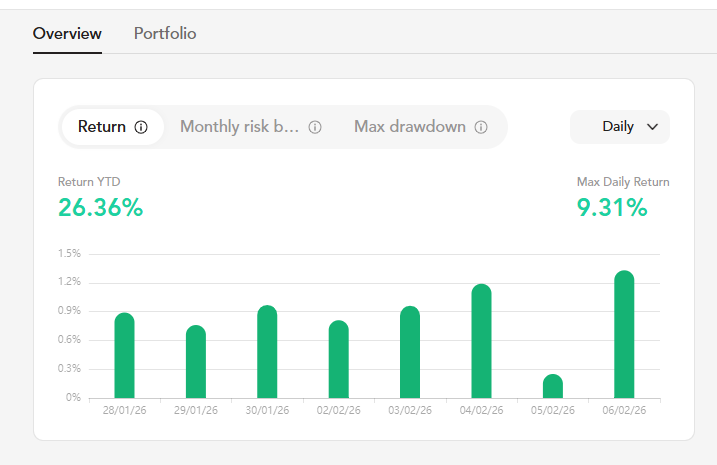
This section shows what performance can look like over time: growth phases, drawdowns, and month-to-month swings.
Equity curve
How the account has moved over time.
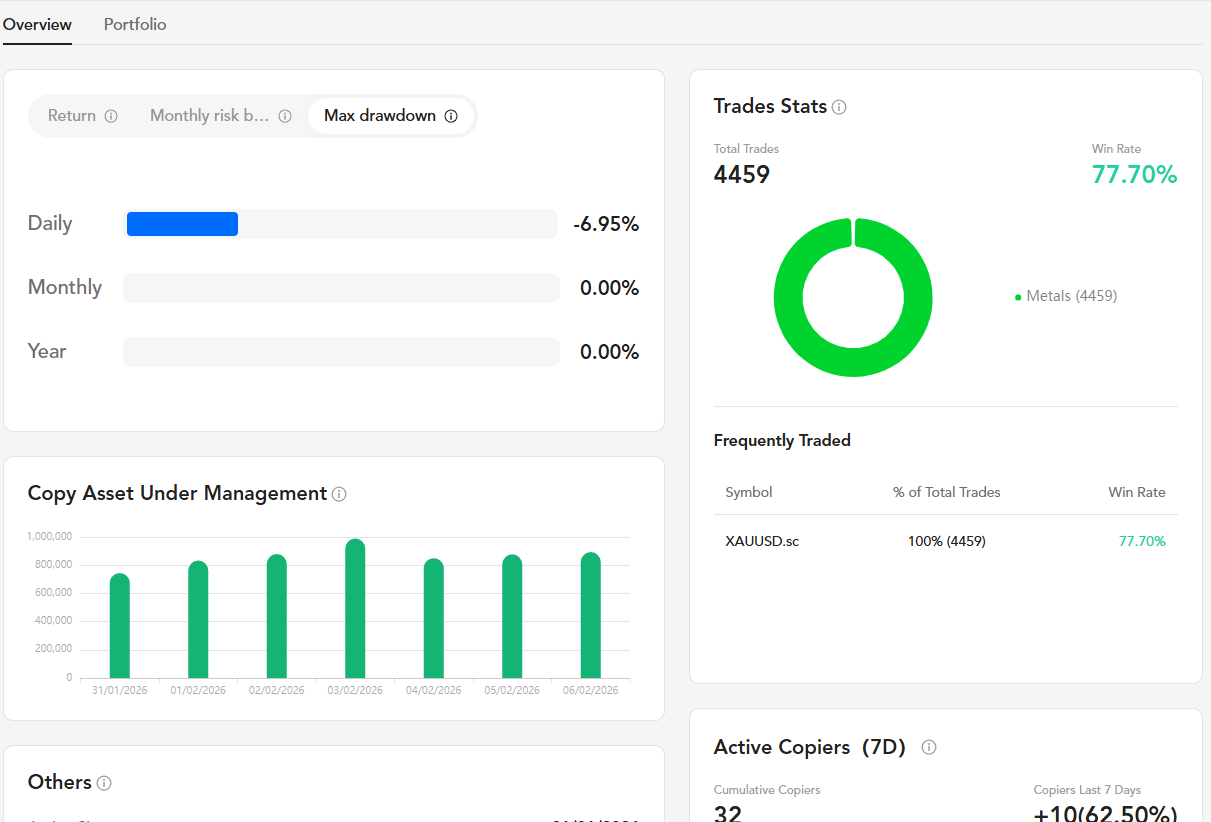
Drawdown
How far the account can fall from peak to trough.
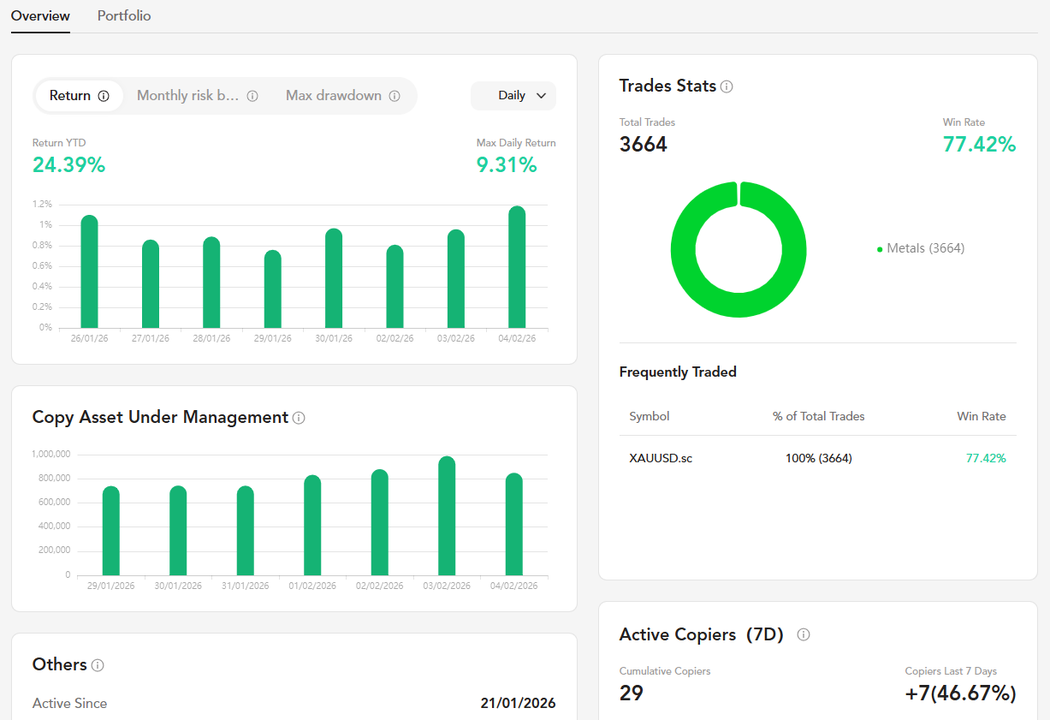
Monthly results
Why one good month never tells the whole story.

Prefer Telegram? Message me “START” and I’ll send you the checklist, the setup steps, and a simple explanation of how it works.
- A simple beginner-friendly explanation
- Risk settings and realistic expectations
- How to start small and avoid rushing
About me
My name is Brian Kamp. I’m sharing this because I know how confusing this space can feel in the beginning — especially when everything online sounds either too complicated or too good to be true.
My approach is simple: keep it calm, keep it transparent, and start with realistic expectations. I would rather help someone understand the setup properly than push them into something they do not fully understand.
I’m also not interested in hype. I prefer a risk-first mindset, small starting steps, and honest conversations about what copy trading can do, what it cannot do, and whether it actually fits the person looking at it.
- Clear explanation before action
- No pressure — only transparency
- Risk first — profit second
If you want the checklist and setup steps, message me “START” on Telegram — or send an email using the form and I’ll reply personally.
Want to know more?
Send me a short message and I’ll reply personally with the next steps.
Want to learn more before you start?
Explore short, practical guides that explain copy trading in simple terms — with a clear focus on risk, setup, and beginner-friendly understanding.
Explore the guidesFrequently asked questions
These are the questions most beginners ask before they decide whether to explore copy trading further.